Key Takeaways
• The strongest Palo Alto home sales often begin preparation three to six months before listing.
• Early planning allows sellers to evaluate improvements thoughtfully instead of rushing decisions.
• Vendor coordination, presentation planning, and pricing strategy all benefit from a structured timeline.
• Targeted improvements often deliver stronger results than large renovation projects.
• Disciplined preparation reduces stress while strengthening market positioning.
Successful Home Sales Rarely Begin with the On Market Listing
Many homeowners assume the selling process begins when the home goes on the market.
In practice, the most successful listings often begin several months earlier.
That early preparation period allows sellers to make thoughtful decisions about presentation, improvements, and pricing strategy. Instead of rushing to meet a listing date, homeowners can approach the transition with clarity and structure.
Over the past two decades representing Palo Alto homeowners, I have seen how this preparation period consistently strengthens outcomes.

Thoughtful preparation creates leverage
“Seeing the home with “buyer’s eyes” is often difficult especially if the home has been in the family for decades.”
Step One: A Strategic Home Evaluation
The preparation process usually begins with a walk-through of the property.
Together we evaluate how the home will be perceived by today’s buyers. This conversation focuses on presentation, condition, layout, flow, and neighborhood expectations at the relevant price point.
The goal is not to create a long list of projects.
Instead, the goal is to identify the improvements that will meaningfully influence buyer confidence.
Often the most impactful updates are also the most straightforward. Fresh paint, lighting improvements, flooring refinements, landscaping adjustments, and thoughtful decluttering can transform the way a home is experienced.
Step Two: Identifying Strategic Improvements
Once the evaluation is complete, we determine which improvements will support the home’s positioning in the market.
Some homes benefit from light cosmetic updates. Others may require more focused preparation depending on condition and buyer expectations within the neighborhood.
Experience helps guide these decisions carefully.
Certain upgrades meaningfully strengthen buyer perception. Others create unnecessary cost without influencing the final sale price.
The objective is always thoughtful preparation rather than excessive renovation.
Step Three: Coordinating Trusted Vendors
Preparation becomes far more manageable when it unfolds gradually.
With a three to six month timeline, trusted vendors can be coordinated without pressure. Painters, flooring specialists, landscapers, and staging professionals each play a role in refining presentation.
This structured approach allows each improvement to be completed with care rather than speed.
Equally important, homeowners can remain focused on their own transition while the preparation process moves forward smoothly.
Step Four: Refining Presentation
As the listing timeline approaches, attention shifts toward presentation.
Staging, photography planning, and final adjustments help ensure the home enters the market with clarity and confidence. Every detail, from lighting to landscaping to interior flow, contributes to the buyer’s first impression.
Buyers often form their strongest perception of a home within minutes of arriving.
Thoughtful presentation ensures that perception reflects the home’s true value.
Step Five: Aligning Pricing Strategy
Pricing strategy is most effective when it reflects both market conditions and the home’s presentation.
With preparation complete, sellers have a clearer understanding of how the property compares with other homes in the neighborhood.
That clarity allows pricing to be positioned with discipline rather than speculation.
The result is a listing that enters the market prepared, well positioned, and ready to attract serious buyers.
Why Preparation Changes the Experience
When the selling process begins with thoughtful preparation, everything that follows tends to unfold more smoothly.
Vendors are coordinated without urgency. Presentation feels intentional. Pricing decisions are informed rather than reactive.
Most importantly, sellers feel prepared.
Selling a home represents an important transition. When preparation happens gradually, the experience becomes far less stressful and far more manageable.
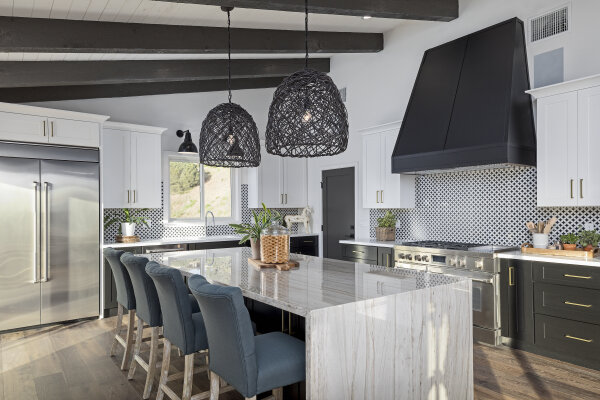
Tranquility begins with early prepartion
The Value of Starting Early
Every home and every timeline is different.
Some sellers begin planning six months in advance. Others start conversations a year before they expect to move.
What matters most is creating enough time for thoughtful preparation.
When preparation unfolds gradually, sellers enter the market with clarity and confidence.
Homes that are positioned with intention tend to perform differently.
Palo Alto Home Seller Questions
How far in advance should I start preparing to sell my home?
Many Palo Alto homeowners begin preparation three to six months before listing. This timeline allows time to evaluate improvements, coordinate vendors, and prepare the home thoughtfully.
What is the first step in preparing a home for sale?
The process usually begins with a walk-through evaluation of the property. This allows the seller and advisor to identify improvements that will meaningfully influence presentation and buyer perception.
Do I need to renovate my home before selling?
Not always. Many homes benefit most from targeted improvements such as paint, lighting updates, landscaping refinement, and decluttering. Strategic preparation often delivers stronger results than large renovation projects.
Why does preparation matter so much to buyers?
Buyers form impressions quickly. Homes that feel well maintained and thoughtfully presented create confidence, which often strengthens both interest and pricing outcomes.
Preparation Creates Leverage
In competitive markets, leverage begins before negotiation.
It begins with preparation.
When sellers begin planning months before listing, they gain the ability to make thoughtful decisions about presentation, pricing, and timing.
That preparation creates confidence for buyers and clarity for sellers.
And clarity often leads to stronger results.