Key Takeaways
• Market conditions influence buyer behavior long before a home is listed.
• Inventory levels, interest rates, and buyer competition shape pricing strategy.
• Early preparation allows sellers to respond to changing market signals with clarity.
• Micro-location continues to influence pricing strength across Palo Alto neighborhoods.
• Strategic timing and disciplined positioning help sellers maintain leverage.
Real Estate Markets Rarely Change Overnight
Instead, they communicate through signals.
Inventory begins to shift. Buyer activity accelerates or pauses. Interest rate movement influences affordability and confidence.
In Palo Alto, these signals often appear subtly before they are widely discussed. A slight increase in homes available in a neighborhood. More activity during open houses. Buyers asking different questions during tours.
For sellers, understanding those signals helps shape strategy long before a property reaches the market.
Inventory Shapes Buyer Behavior
One of the most important indicators in any housing market is inventory.
When fewer homes are available, buyers tend to act decisively. Competition increases and pricing confidence strengthens.
When more homes reach the market at once, buyers become more selective. They compare properties carefully and expect thoughtful presentation.
Neither environment is inherently better or worse for sellers.
Each simply requires a different strategy.
Understanding where inventory sits at a given moment allows sellers to position their home more effectively.
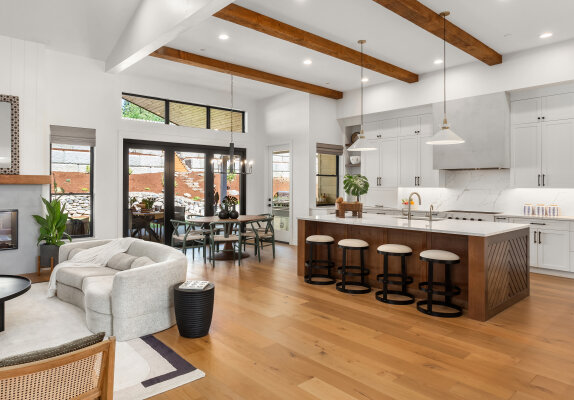
Renovated Eichler style homes are appealing to many buyers in the current Palo Alto market.
“Selling in Palo Alto means mastering a market that’s always shifting, driven by factors as complex as they are local.”
Buyer Psychology Evolves with Conditions
Buyers in Palo Alto are highly informed. Many have followed the market for months or even years before making a move.
Their expectations evolve as conditions change.
During periods of strong demand, buyers often prioritize securing a property quickly. During more balanced conditions, they focus more carefully on quality, presentation, and value.
This shift does not reduce opportunity for sellers. It simply reinforces the importance of preparation.
Homes that feel thoughtfully presented tend to stand out more clearly when buyers are comparing multiple options.
Micro-Location Still Matters
Even within the same city, pricing performance can vary significantly from one street to the next.
Traffic patterns, school proximity, neighborhood character, and architectural style all influence buyer perception.
These micro-location dynamics rarely appear in national real estate headlines. Yet they remain one of the most powerful forces shaping outcomes in Palo Alto.
Sellers benefit when pricing reflects this localized context.
A home positioned with awareness of its immediate surroundings often attracts stronger buyer engagement.
Timing and Preparation Work Together
Market signals are most valuable when they inform preparation.
When sellers begin planning several months before listing, there is time to evaluate how current conditions may influence strategy.
If inventory appears to be tightening, preparation can move forward confidently toward a listing window.
If buyers appear more selective, additional time can be used to refine presentation and address improvements that strengthen perception.
Preparation creates flexibility. Flexibility allows sellers to respond intelligently to the market.
Strategy Translates Information into Results
Data alone does not create successful outcomes.
Interpretation matters.
Statistics can describe what has happened. Experience helps guide what to do next.
After many years representing Palo Alto homeowners, I have seen how thoughtful preparation combined with informed pricing allows sellers to navigate changing market conditions with confidence.
Markets evolve. Buyer psychology shifts. Inventory levels fluctuate.
The fundamentals remain consistent.
Preparation, pricing discipline, and steady strategy continue to shape the strongest results.
Palo Alto Home Seller Questions
What market conditions influence home prices in Palo Alto?
Several factors influence pricing, including inventory levels, buyer demand, interest rates, and neighborhood-specific dynamics. Micro-location and presentation also play an important role in how buyers perceive value.
Should I wait for the “perfect” moment to sell?
Rather than trying to predict the perfect moment, many sellers benefit from preparing their home early so they are ready when timing aligns with their personal goals and market conditions.
Why does inventory matter so much?
Inventory affects how much choice buyers have. When fewer homes are available, buyers often compete more actively. When more homes are available, presentation and pricing discipline become even more important.
How do I know when the timing is right to list?
Evaluating both personal timing and current market signals helps determine the best approach. Early preparation allows sellers to respond thoughtfully as conditions evolve.
Interpreting the Market with Clarity
Market headlines often focus on dramatic shifts.
In practice, real estate markets move more gradually.
Understanding the signals beneath the headlines allows sellers to make decisions with clarity rather than urgency.
For Palo Alto homeowners considering a sale, thoughtful preparation combined with informed interpretation of market conditions creates the strongest strategic position.
When preparation and timing align, the market tends to respond.