Key Takeaways
- The idea of one perfect month to sell is mostly a myth. Readiness matters more than the calendar.
- The summer slowdown is largely a story sellers tell themselves. In Palo Alto, serious buyers stay active through the season.
- Each season carries a different balance of competition and buyer urgency, not a clear winner.
- Micro-location, presentation, and pricing influence outcomes more than the month you list.
- The right time to sell is when your home, your timing, and the market align, not when a calendar says so.
The Question Everyone Asks
One of the first questions homeowners ask me is simple.
When is the right time to sell?
Most people expect me to name a month. They have heard that spring is best, or that summer is slow, or that nobody buys a home in December.
After more than two decades representing Palo Alto sellers, my honest answer is that the calendar matters far less than most people assume.
The right time has more to do with your home, your life, and your local market than with a date.
The Myth of the Slow Summer
Let us start with the season we are in.
Every July, I hear the same assumption. School is out. Families are traveling. Surely buyers disappear until fall.
In many markets, there is some truth to that rhythm. In Palo Alto, the pattern is different.
Our buyer pool is not driven by the school calendar alone. It is shaped by career moves, relocations tied to hiring cycles, families who want to be settled before the school year begins, and longtime residents making a planned transition.
Those buyers do not take the summer off.
What often changes in summer is not buyer interest. It is seller behavior. Fewer homes come to market, which means committed buyers have less to choose from.
For a well-prepared home, less competition can be an advantage, not a disadvantage.
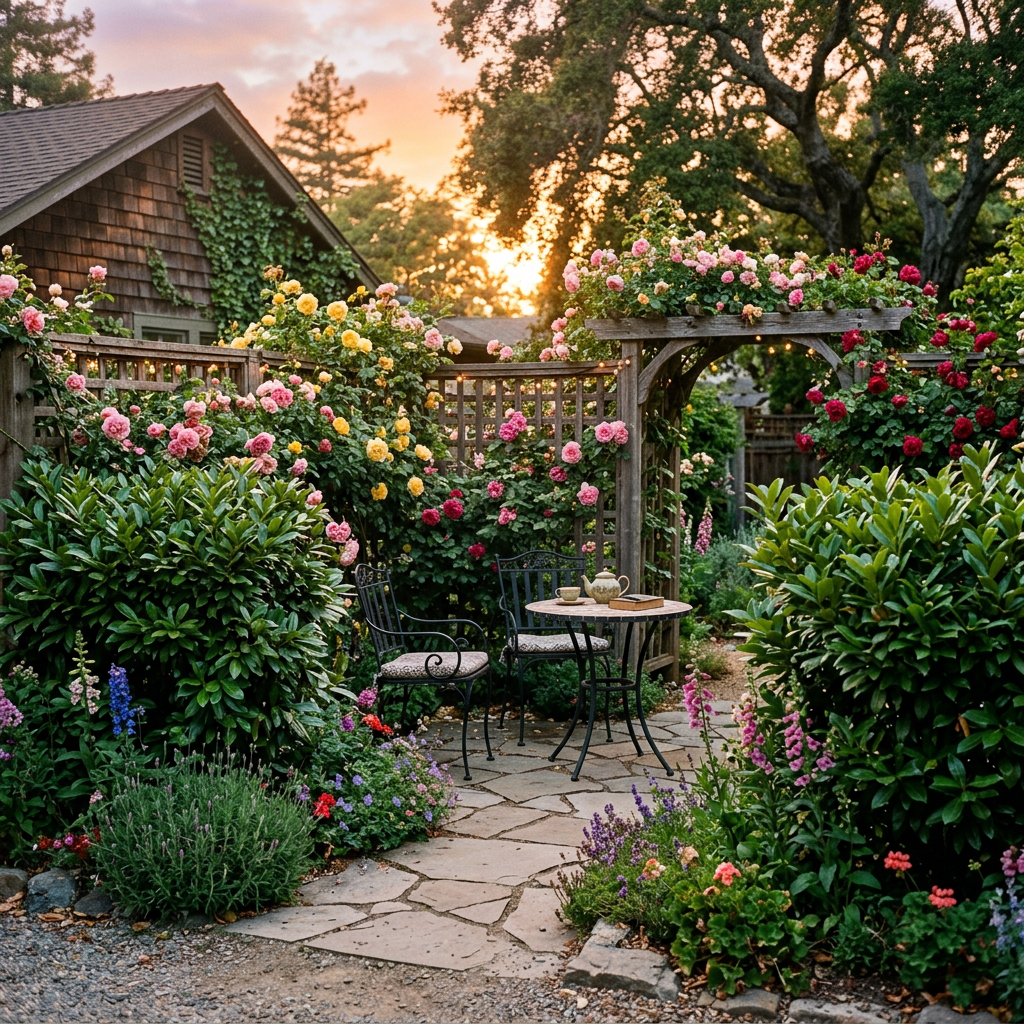
An inviting garden appeals to buyers in summertime.
“Buyers in Palo Alto are not waiting for a season. They are waiting for the right home, prepared and priced with intention.”
Spring: The Traditional Peak
Spring earns its reputation.
Inventory rises, activity increases, and the market feels energetic. For sellers, that energy is appealing.
But energy cuts both ways.
When more homes reach the market at once, buyers have more options. Presentation and pricing discipline matter even more, because your home is being compared in real time against a wider field.
Spring is strong. It is also crowded.
Summer: Quieter on Paper, Focused in Practice
Summer reads as slower in the data, but the buyers who are looking tend to be serious.
They are often working against their own timelines. A job start date. A lease ending. A school start deadline.
That urgency, paired with lighter competition among listings, can create a productive environment for a home that shows well.
Summer is not a pause. It is a different kind of opportunity.
Fall: The Second Wave
After Labor Day, Palo Alto typically sees a second wave of activity.
Buyers who spent the summer watching return with focus. The window is real, but it narrows as the holidays approach.
Fall rewards sellers who are prepared and ready to move decisively, rather than those still deciding whether to list.
Winter: Smaller Pool, Stronger Motivation
Fewer homes sell in the winter months, and fewer buyers are looking.
But the buyers who are out in December and January are rarely casual. They are motivated, and there is far less competition for their attention.
A quieter season is not an empty one.
What Actually Determines Timing
If the season is not the deciding factor, what is?
Three things consistently matter more.
The first is the readiness of your home. A property that is thoughtfully prepared will outperform a rushed listing in any month.
The second is your own timing. Selling is a life transition. The right moment is one that fits your circumstances, not one dictated by a market headline.
The third is micro-location. In Palo Alto, pricing and demand can shift from one street to the next. How your specific home is positioned within its immediate market matters more than whether it lists in May or September.
When those three align, the timing is right.
A More Useful Question
Instead of asking which month is best, I encourage sellers to ask a better question.
Is my home ready, is my timing right, and is my home positioned thoughtfully within its market?
When the answer is yes, the season takes care of itself.
Preparation creates confidence. Confidence shapes outcomes. And outcomes rarely depend on the calendar alone.
If you are weighing a sale this year, the most valuable step is not waiting for a season. It is beginning the conversation with a trusted adviser like myself early enough to choose your moment with clarity.

Palo Alto homes sell in every season of the year
Palo Alto Home Seller Questions
Is summer really a bad time to sell a home in Palo Alto?
Not in the way many sellers assume. While fewer homes come to market in summer, the buyers who are active tend to be serious and often work against firm timelines. Less competition among listings can actually benefit a well-prepared home.
What is the best season to sell a home in Palo Alto?
There is no single best season. Spring offers energy but heavy competition, summer offers focused buyers with fewer listings, fall brings a motivated second wave, and winter has a smaller but highly committed pool. The right time depends more on your readiness, your timing, and your home’s micro-location than on the month.
How do I know if it is the right time for me to sell?
The strongest indicator is alignment. When your home is thoughtfully prepared, your personal timing fits, and your property is positioned well within its specific neighborhood, the timing is right regardless of season. An early conversation with me helps clarify where you stand.